What Are Truffles?
Truffles are one of nature’s most remarkable treasures.
Unlike mushrooms that grow above the ground, truffles develop beneath the soil in a unique partnership with the roots of certain trees. This relationship, known as mycorrhiza, allows the truffle and tree to support one another, creating a healthy and thriving ecosystem.
Prized by chefs and food lovers around the world, truffles are celebrated for their rich aroma and complex flavour. Their earthy, nutty and sometimes garlicky notes have the ability to transform simple ingredients into extraordinary dishes.
While there are many species of truffle found across Europe, Asia and North America, only a handful are considered commercially valuable. New Zealand’s climate and soils have proven particularly well suited to growing some of the world’s most sought-after truffle varieties.
Growing Truffles
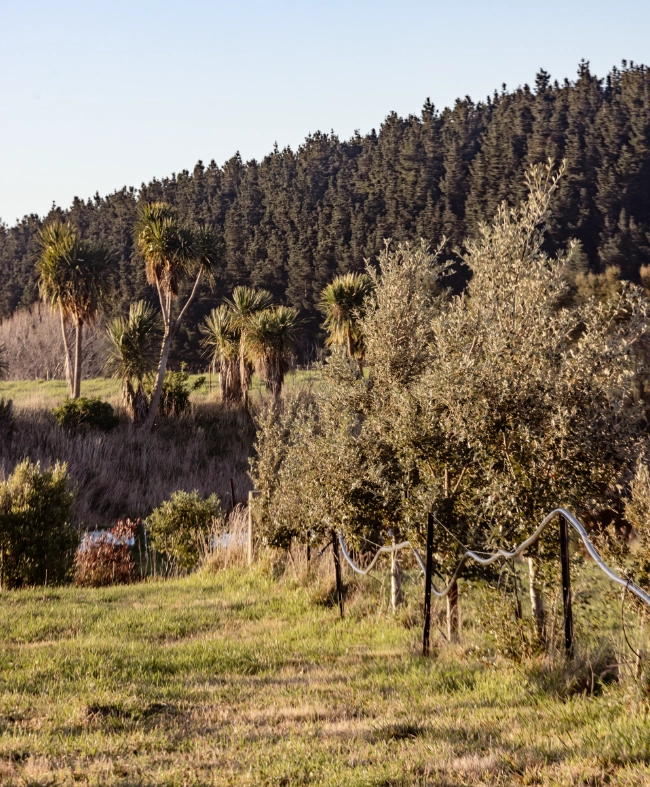
Growing truffles is unlike growing any other crop on the farm. Truffles live underground in a mycorrhizal partnership with the roots of oak and hazelnut trees. The fungus helps the tree access nutrients and water, while the tree provides the energy the fungus needs to grow.
Creating the right conditions is both an art and a science. Truffles prefer alkaline soils, carefully managed moisture, and trees that are healthy but not overly vigorous. Trees are regularly pruned to encourage sunlight and airflow, grass and weeds are controlled to reduce competition, and soil conditions are closely monitored.
A truffière is far from a “plant it and forget it” enterprise. It requires ongoing management, observation, and patience. Harvests can take many years to develop, and success depends on maintaining the delicate balance between soil, trees, climate, and fungi.
For us, truffle growing is a long-term commitment to stewardship, learning, and working with nature to produce one of the world’s most sought-after foods.
Truffle Harvest
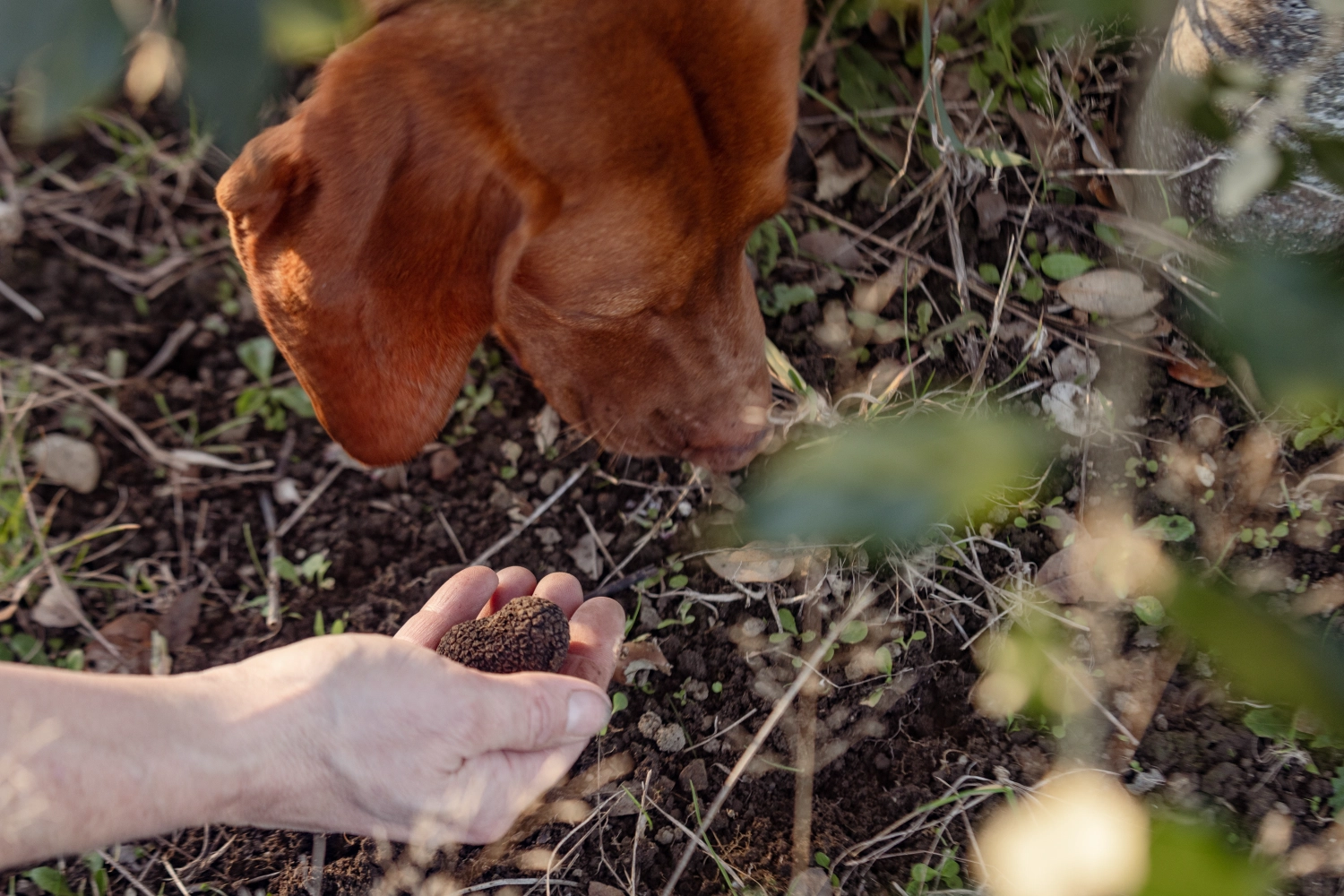
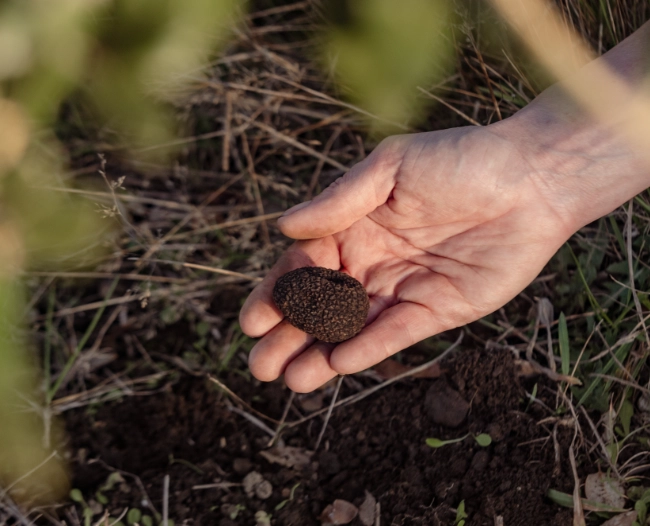
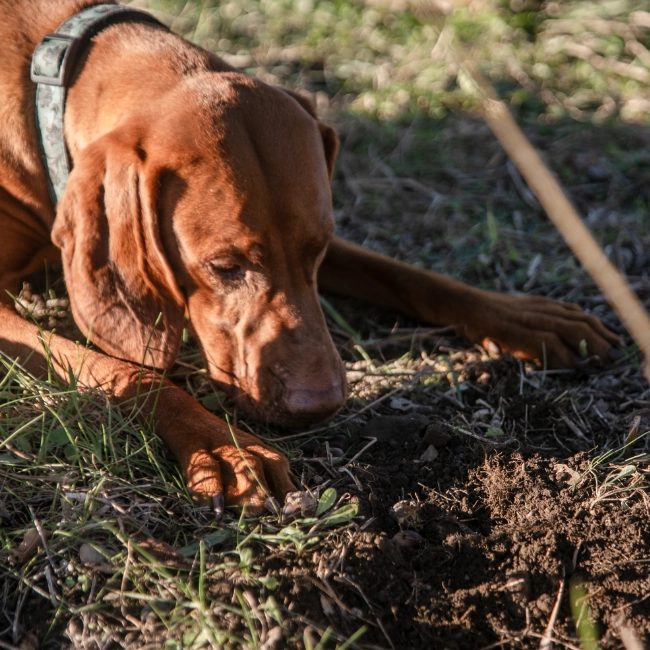
Harvesting truffles is one of the most anticipated times of the year. Because truffles develop underground, they cannot usually be spotted by sight alone. Instead, we rely on trained dogs to locate mature truffles hidden beneath the soil.
Historically, pigs were used to hunt truffles because they are naturally attracted to the aroma. The challenge is that pigs generally want to eat the truffles they find!
In New Zealand, Black Périgord Truffles are typically harvested during winter, from June through August, when their aroma and flavour are at their peak. Burgundy Truffles generally mature slightly earlier and can extend the harvest season.
Looking after your truffles
Fresh truffles are a seasonal delicacy and are best enjoyed as soon as possible after harvest.
Unlike many foods, the magic of a truffle lies as much in its aroma as its flavour. Fresh truffle is quite different from many truffle-flavoured products. Truffle oils, salts, sauces and snacks often have their aroma enhanced, sometimes naturally and sometimes with added flavour compounds. There is nothing wrong with that, but it helps explain why some truffle products are much cheaper and why they taste different from fresh truffle.
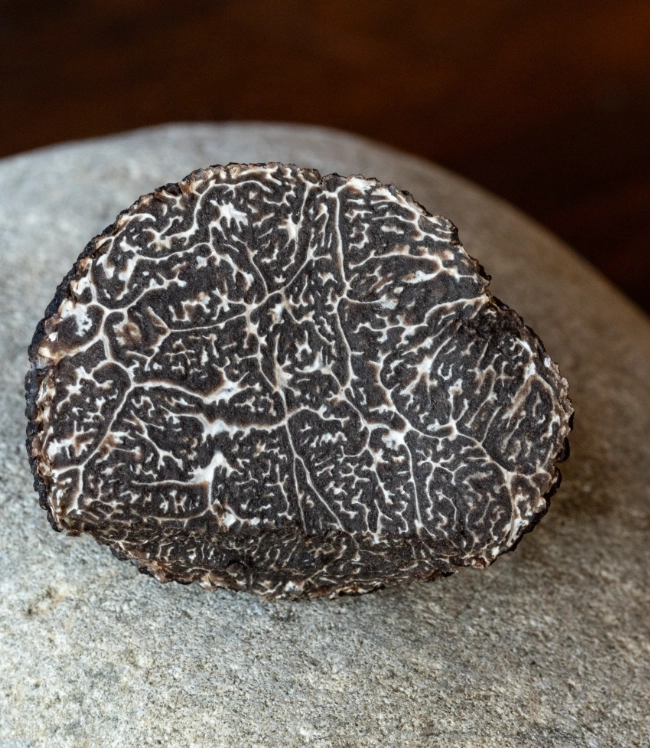
Fresh Black Périgord truffle, Tuber melanosporum, is all about aroma. Its character is delicate, earthy and savoury, without the heavy aftertaste people sometimes
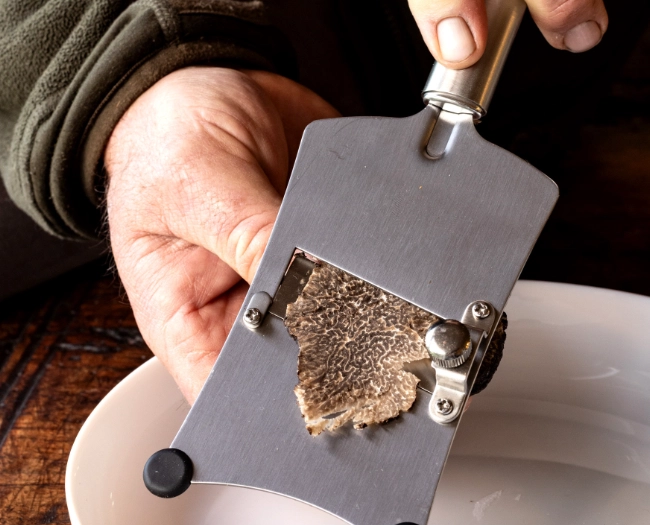
Wassociate with truffle-flavoured products. Because heat quickly reduces its aroma, fresh truffle is usually best shaved over warm food at the end, rather than cooked into a dish.
For the ultimate truffle experience, we recommend enjoying your truffles within seven days of receiving them.
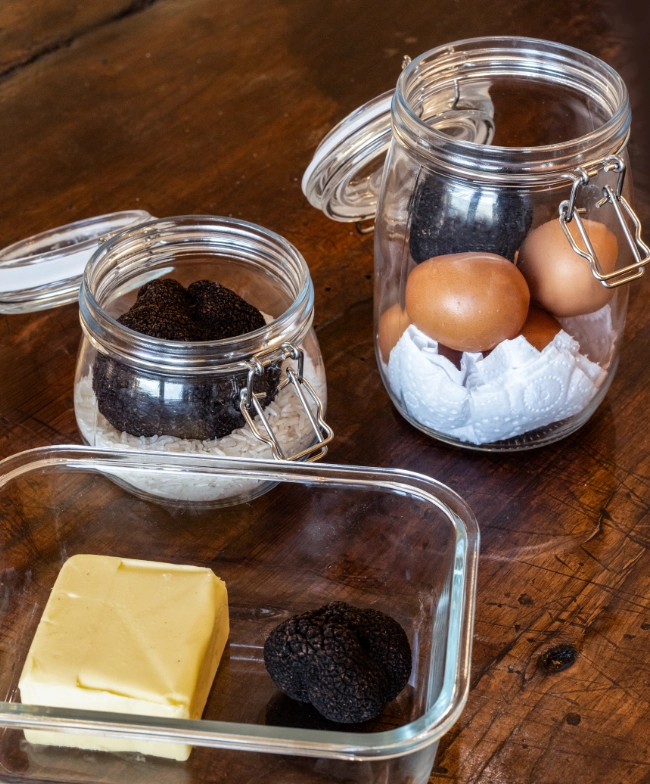
To store fresh truffles, gently wrap each truffle in a clean paper towel and place it in an airtight container in the refrigerator. Change the paper towel daily to remove excess moisture and help preserve quality.
How Much Do I Need?
One of the biggest surprises about fresh truffles is that you don’t need very much. 3 – 5 grams per person is a great starting point. A 50-gram truffle is roughly the size of a large egg and can comfortably elevate several meals.
The real secret isn’t using more truffle – it’s layering the flavour.
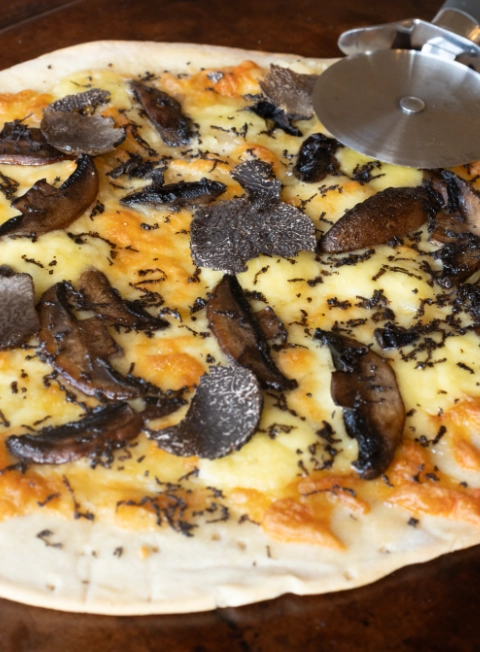
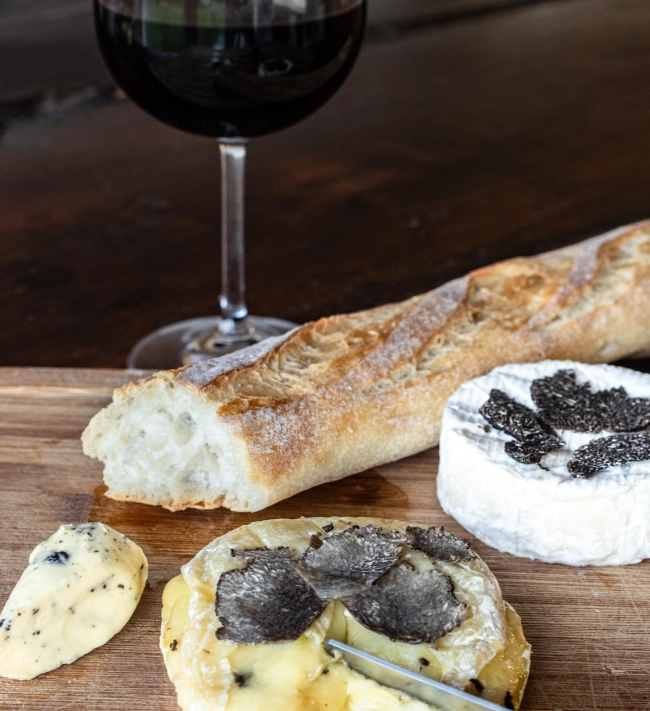
Truffles have a remarkable ability to infuse foods rich in fat. Store your truffle alongside butter, eggs, cream or cheese for a few days and their aroma will gradually permeate those ingredients. Then, when it comes time to cook, use the truffle-infused butter, cheese or eggs as the foundation of the dish before finishing with freshly shaved truffle on top.
This layering effect creates a deeper, richer truffle experience and helps a single truffle go much further. Think scrambled eggs made with truffle-infused eggs and butter, finished with fresh truffle shavings, or a creamy pasta where both the cheese and butter have absorbed the truffle’s aroma before the final flourish at the table.
Explore Recipes
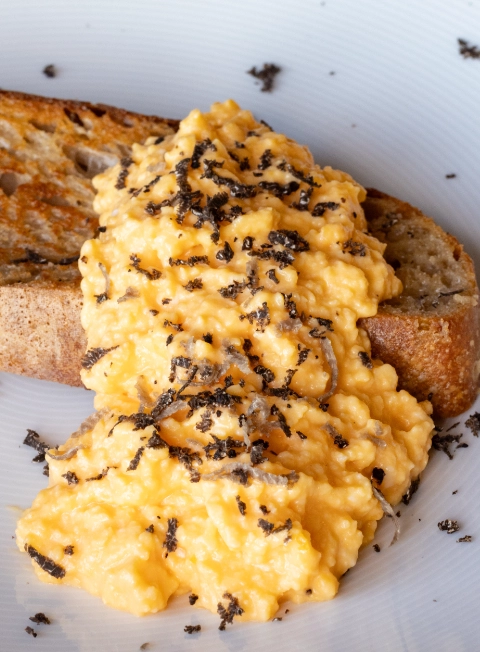
Truffled Scrambled Egg
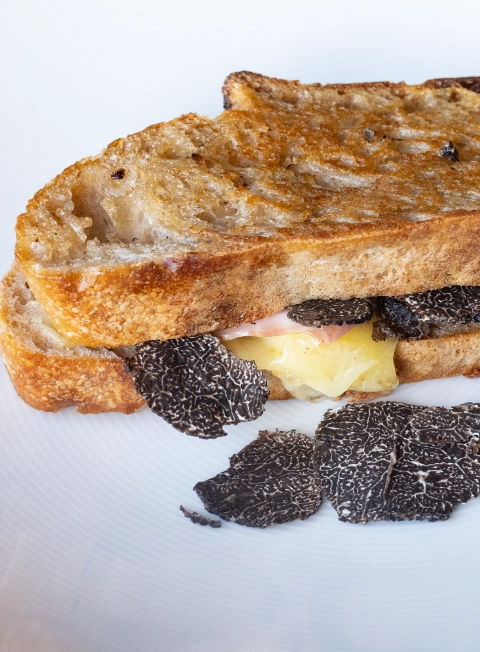
Truffle Toastie
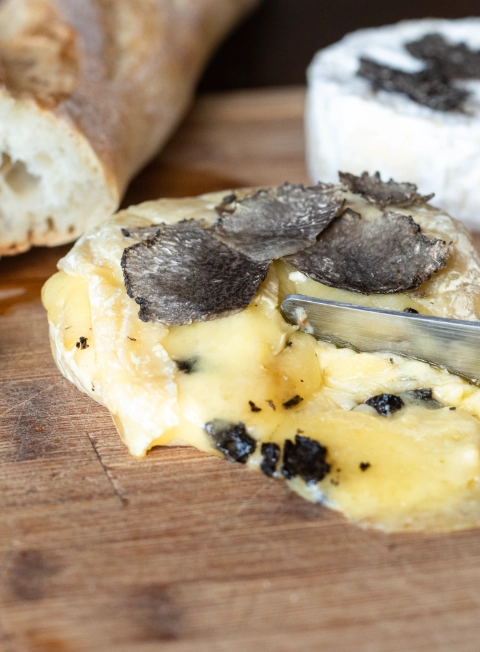
Truffle Brie