
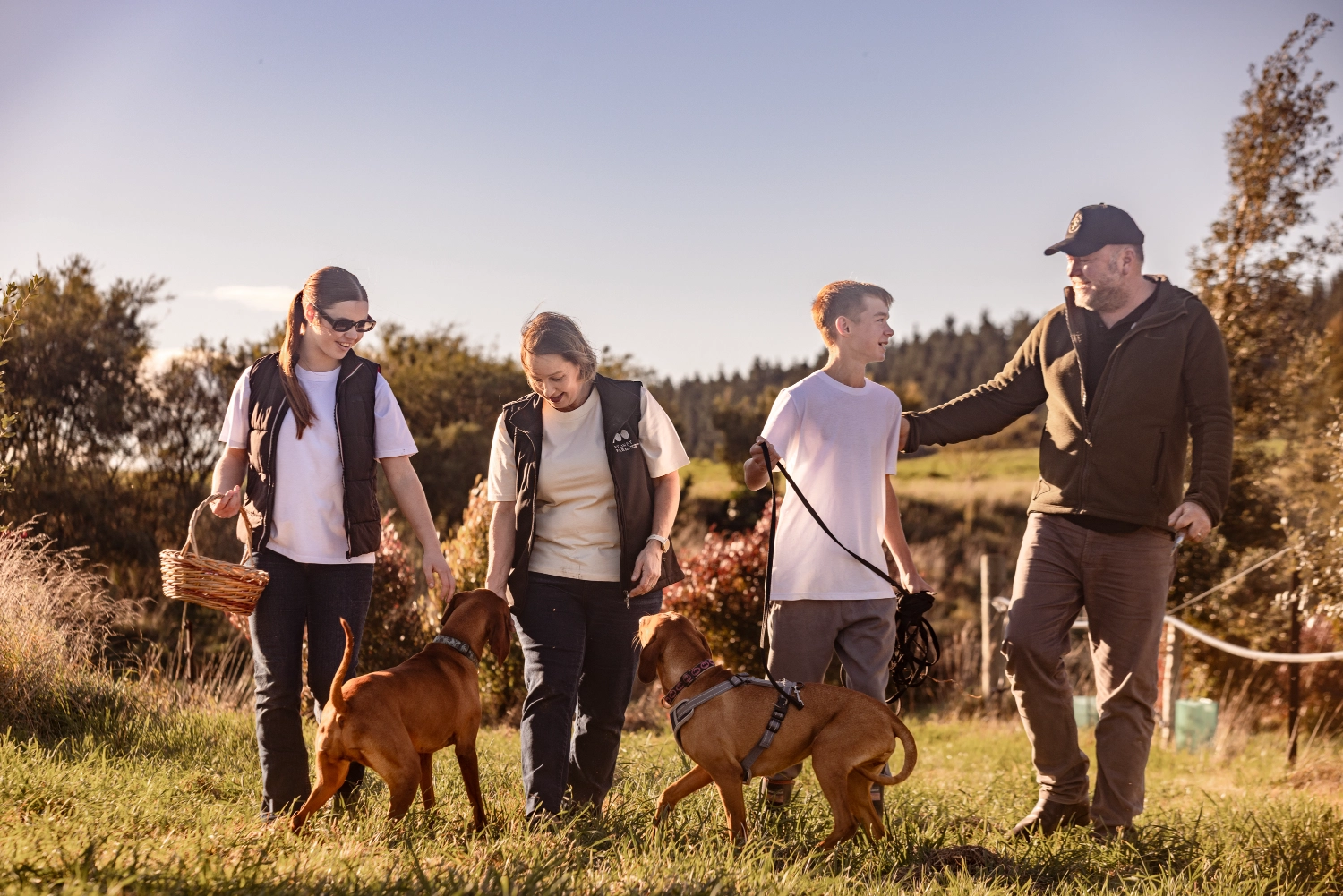
Our Journey Begins
Our journey with truffles began long before we planted a single tree. Back in 2015, we started dreaming about land. We wanted somewhere to raise our children, put down roots and, eventually, grow old. We wanted our kids to be a little more free-range, a little muddier and a little closer to nature.
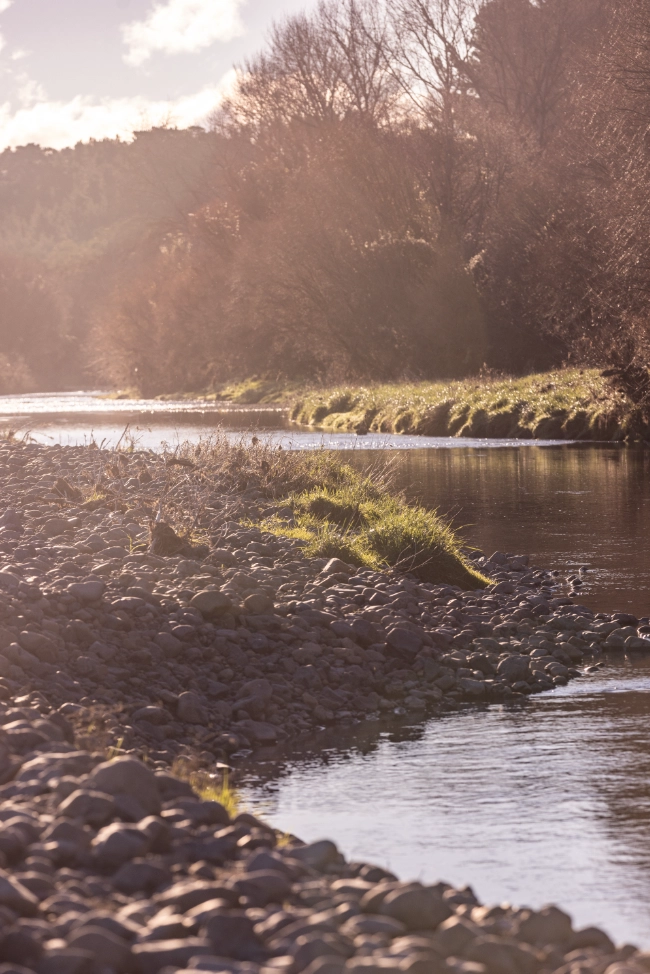
At the time, we were still firmly city people. We were curious about farming, fascinated by food, and looking for a project that would challenge us while creating something meaningful.
Then we discovered truffles. They were interesting, different, and, if we’re honest, a little bit mysterious.
We had friends around the world exploring truffle growing, including in Australia. The more we learned, the more interested we became. We attended a truffle conference and met some of the most optimistic, generous and enthusiastic people we’ve ever encountered. Truffle growing seemed to sit somewhere between art, science and luck.
Naturally, we thought: Why not give it a go?
Our truffle experience was limited.
Like many people, we’d eaten truffle fries and truffle chips but we didn’t really know what fresh truffle was like. Then we tasted it for the first time.
Everything changed.
The aroma and flavour were unlike anything we’d experienced before. Rich, earthy, savoury and impossible to fully explain. Later, while travelling through France, Italy and Spain, we sought out fresh truffles whenever we could to learn more, taste more and understand more.
The challenge, the mystery and the flavour all combined into something we couldn’t ignore.
Meet the Family
Stoney Farm is first and foremost a family adventure.
When we bought the farm, we weren’t looking for a business plan. We were looking for a place to put down roots, raise our children and create something meaningful together.
Like many families, we’ve discovered that farming has a way of bringing everyone into the story. Some days that means planting trees. Other days it means moving stock, fixing fences, chasing escaped animals or helping train truffle dogs. There is always something to do, and usually more than we expected.
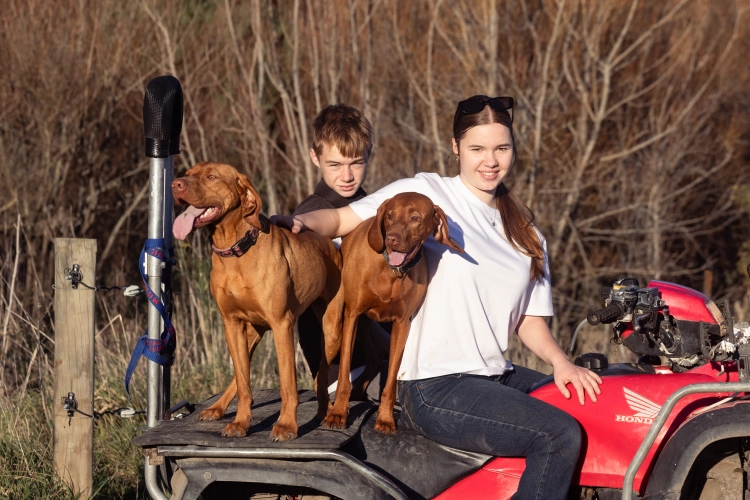
Allister
Allister is the chief dreamer, chief problem solver and chief tractor enthusiast.
He spends much of his time managing the farm, caring for the truffière and experimenting with new ideas. Whether it’s improving pasture, moving cows, planting trees, supporting others with solar energy, he is usually planning the next project before the current one is finished.
Nicola
Nicola is the tree lady. She has led the planting of hundreds of trees across the farm and is passionate about creating shelter, biodiversity and beautiful spaces for both people and animals.
During the week, Nicola works in Wellington helping leaders and infrastructure projects thrive. On the farm, her focus shifts to trees, native plantings, wildlife and creating a place where people feel connected to the land.
The Kids
Emma and Matthew are perhaps the biggest reason Stoney Farm exists.
The farm gives them the freedom to explore, climb, build, discover and occasionally get covered in mud. They’ve grown up alongside the trees and the truffière, helping plant trees, train dogs, harvest the garden and learn about the natural world around them.
Meet the Truffle Dogs
No truffle story would be complete without the dogs. We have two Hungarian Vizslas – or Velcro Vizslas, as anyone familiar with the breed will understand.
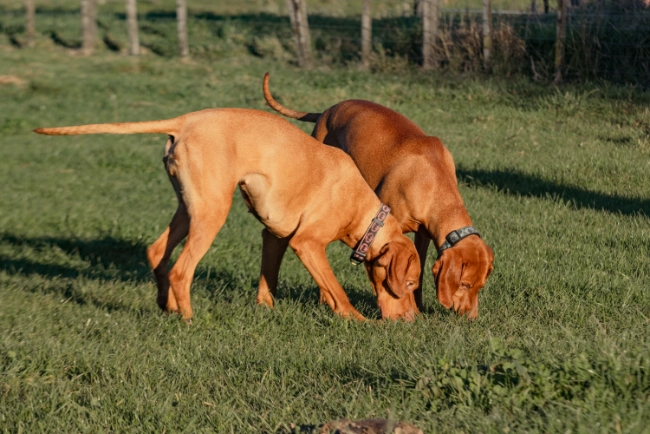
No truffle story would be complete without the dogs.
We have two Hungarian Vizslas – or Velcro Vizslas, as anyone familiar with the breed will understand.
Khali is the mother and Trixie is her daughter. Trixie is just over a year old and is best described as enthusiastic. Some might say energetic. Others might say slightly chaotic. We prefer enthusiastic. She’s currently learning the art of truffle hunting.
Khali has had considerably more
training and likes to think of herself as the senior member of the team. Is she completely reliable? Not always.
Hopefully, one day very soon they’ll help us uncover the first treasures hidden beneath the orchard.
Our farm
The clue is in the name. Stoney Farm is exactly that – stoney. Fortunately, that’s not a bad thing when it comes to truffles.
The land is naturally free-draining, experiences winter frosts and enjoys warm, dry summers. While we needed to lift the soil pH to create ideal truffle-growing conditions, the farm already possessed many of the characteristics that truffles love.
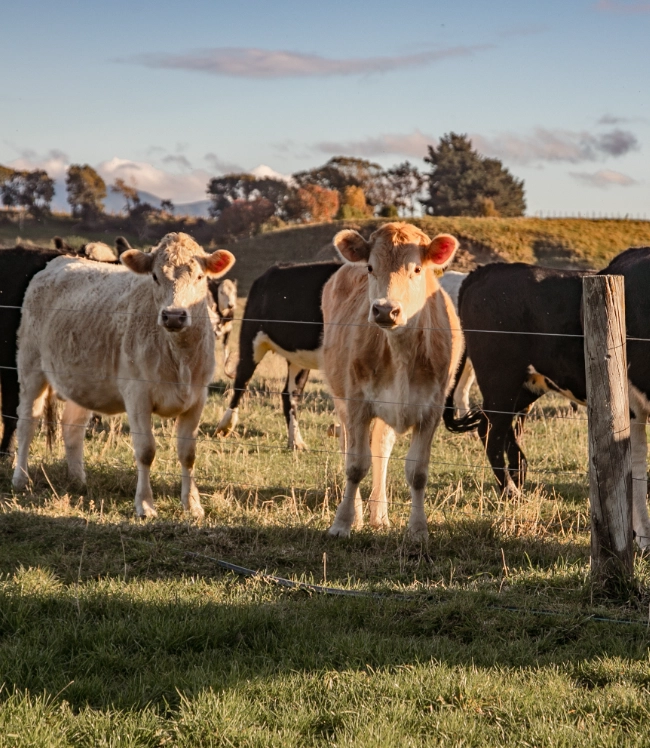
The property covers 65 hectares and was traditionally used as a beef dairy runoff. Today we run sheep and beef while continuing to learn what farming actually involves.
We’re learning as we go. Much of what we know has come from YouTube, Country Calendar, books, neighbours, local experts and the incredible generosity of our community. Farming has a way of reminding you how much you don’t know, usually on a daily basis.
Alongside farming, we’re working to improve the land itself.
We’ve planted hundreds of trees beyond the truffière, including oaks, poplars, willows and hundreds of native species. We’re exploring silvopasture systems, improving soil health and looking for ways to farm that are productive, thoughtful and environmentally responsible.
Our goal is simple: look after it, enjoy it and eventually share it.
Regeneration
We believe farming should leave the land healthier,
more productive, and more resilient for future generations. We are learning about regenerative agriculture and working to improve soil health, biodiversity, water retention, and overall farm resilience.
Rather than treating each part of the farm separately, we are designing an integrated system where livestock, crops, trees, energy, and people all contribute to a productive and sustainable landscape.
Alongside our truffles, the farm includes:
- Sheep and beef production: A low-input livestock system designed around pasture diversity, shade, and animal wellbeing.
- Arable cropping: Complementary feed and crop rotations that improve soil fertility, reduce inputs, and build resilience.
- Silvopasture: Trees, shelterbelts, and productive species integrated through grazing areas to support biodiversity, soil protection, carbon storage, and animal comfort.
- Solar energy and electrification: On-farm solar generation that supports our journey towards greater energy self-sufficiency, with aspirations to power irrigation and electric vehicles from renewable energy.
For us, regenerative farming is a commitment to continuous improvement, producing food while improving the land and creating a thriving farm ecosystem.
Our future vision
We didn’t buy Stoney Farm simply to grow truffles. We bought it because we wanted to create something meaningful.
We didn’t buy Stoney Farm simply to grow truffles. We bought it because we wanted to create something meaningful.
As the farm develops, we hope to share what we’re learning with others through guided truffle hunts, tastings, field days, leadership & governance workshops and community events.
At the heart of that vision is the future Truffle Barn — a place where people can gather to learn about truffles, farming, food and the land that connects us all.
We imagine winter mornings spent
hunting truffles with dogs, long lunches at neighbouring restaurants featuring local produce, conversations around shared tables and visitors leaving with a deeper appreciation for the remarkable things happening beneath the soil.
Above all, Stoney Farm is about connection.
Connection to food.
Connection to family.
Connection to the land.
And perhaps a little appreciation for the slightly mad optimism required to plant a thousand trees and wait patiently for something extraordinary to happen underground.